Why Did Everyone Become a Sinner Through Adam?
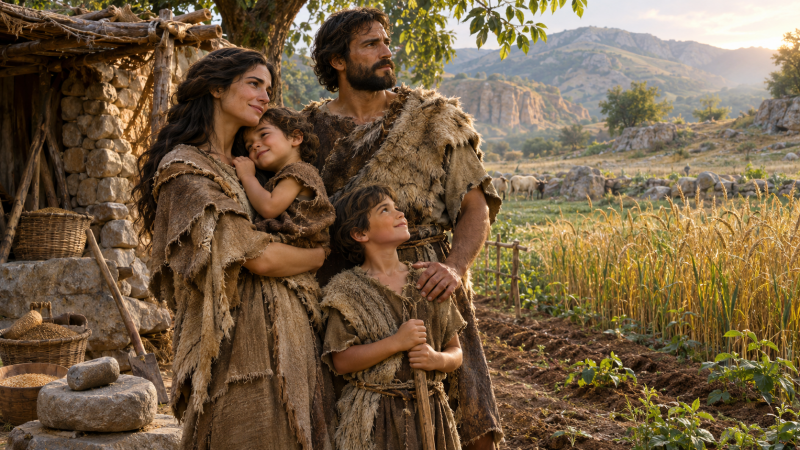
God created Adam and Eve without sin. They were righteous, enjoyed a personal relationship with God, and lived in a perfect world. Yet none of us are born into that same condition today. Why is that?
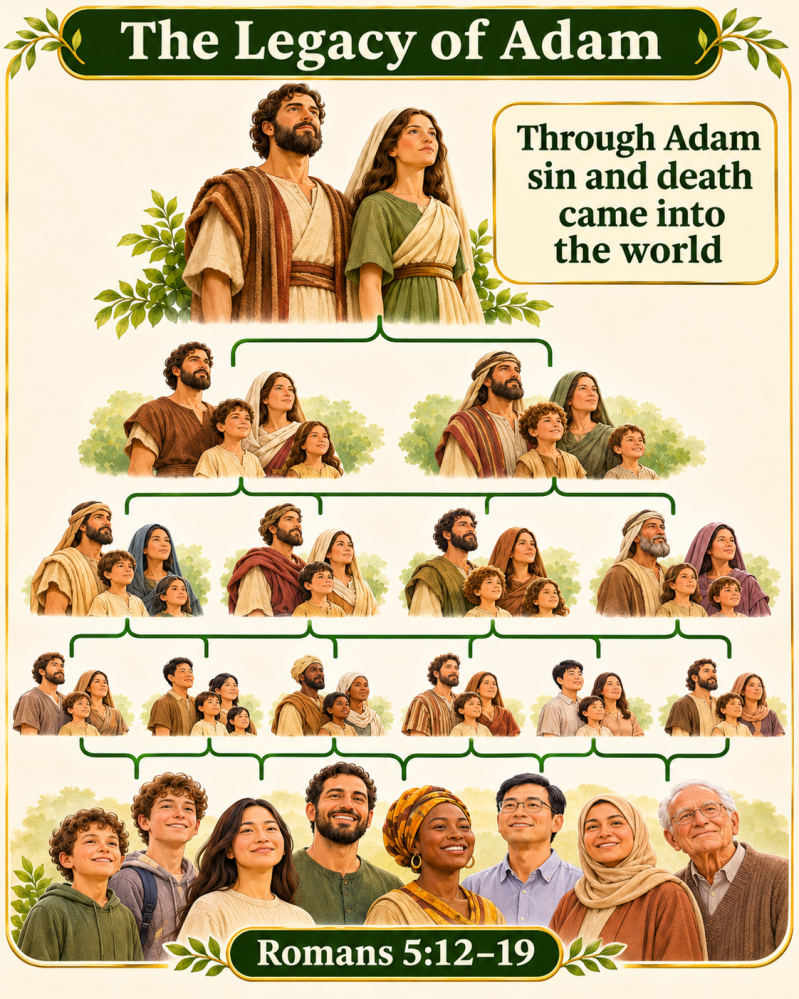
The Bible teaches that Adam's disobedience affected the entire human race. When Adam sinned, he lost his original righteousness, and humanity came under the power of sin and death. This fallen nature was then passed down to his descendants.
The apostle Paul explains this in Romans 5. He shows us why everyone became a sinner through Adam, but he also shares the good news: What humanity lost through Adam can be restored through Jesus Christ. To understand this, we first need to look at what happened when Adam disobeyed God.
How Did Sin Enter the World Through Adam?
When God created Adam and Eve, everything was very good. They had plenty of food, nothing to worry about, and a beautiful world to enjoy. God had also given them authority to rule over the earth. There was only one restriction: they were not allowed to eat from the tree of the knowledge of good and evil. God had clearly warned them that eating from this tree would lead to death.
However, Adam and Eve chose to disobey God. They listened to the serpent and ate the forbidden fruit. From that moment on, their lives were completely different. Sin entered the world, their relationship with God was broken, and they lost their original righteousness. Death also became part of human life. Paul explains:
“Therefore, just as through one man sin entered the world...” (Romans 5:12)
The man Paul is referring to is Adam. As the first human being, Adam held a unique position because the entire human race would descend from him. His disobedience therefore affected not only his own life but also the lives of everyone born after him. This raises an important question: Why do we experience the consequences of something Adam did thousands of years ago?
Why Did We Become Sinners Through Adam?
The answer has to do with what Adam could pass on to his children. Before he sinned, Adam was righteous and completely free from sin. But after disobeying God, he was no longer the perfect man God had created. He had become a fallen human being. So when Adam had children, he could no longer pass on his original perfection. Instead, his children inherited his fallen nature. Paul writes:
“For as by one man's disobedience many were made sinners...” (Romans 5:19)
This teaches us something important. We do not become sinners the first time we do something wrong. We are born sinners because we have inherited Adam's fallen nature. This is known as original sin.
Think of a father who owns a successful family business. The business is worth a great deal of money, and he plans to leave it to his children. But one day, he makes a terrible decision that causes him to lose everything. The business goes bankrupt, leaving him with nothing to pass on. When his children grow up, they cannot inherit the business. Not because they made a mistake, but because their father has already lost what he intended to give them.
Something similar happened with Adam. He lost his original righteousness and the perfect condition in which God had created him. Because he no longer possessed these things, he could not pass them on to his children. That is why we are not born in the same condition Adam was in before the fall. From the moment we are born, we are part of a fallen world. This does not mean God created humanity sinful. He originally created people without sin. Our fallen condition is the result of Adam's disobedience.
How Do We See the Effects of Adam's Sin Today?
We can see the effects of Adam's fallen nature in everyday life. People lie, become jealous, mistreat others, and put their own interests first. Even when we know what is right, we sometimes choose to do what is wrong.
You can see this behavior even in young children. Imagine two children playing together. They have plenty of toys, but one child suddenly wants the toy the other child is holding. The child becomes angry, grabs the toy, or refuses to share. Nobody had to teach that child to be selfish. Such desires appear naturally. Adults struggle with similar things. We might feel jealous of someone who owns a bigger house, become angry when someone treats us unfairly, or tell a lie to avoid getting into trouble.
Of course, people are also capable of doing good things. Someone may be kind, help those in need, or make a real difference in the lives of others. But doing good things does not automatically change our spiritual condition. Paul writes:
“For all have sinned and fall short of the glory of God.” (Romans 3:23)
Everyone has sinned, regardless of how much money they have, how many good things they do, or how hard they try to live a holy life. No one can become righteous through good works alone. You could spend years volunteering, give generously to charity, and always try to be honest. Those are wonderful things, but they cannot remove sin from your life or restore your broken relationship with God. Only Jesus Christ can do that.
Why Is Sin So Serious?
The consequences of Adam's disobedience go far beyond the wrong things people do. Sin separated humanity from God and broke the personal relationship He had created us to enjoy. In Ephesians 2:1–3, Paul describes this condition by explaining that people without Christ are spiritually dead because of their sins and trespasses.
Being spiritually dead does not mean someone can no longer think, feel, or do good things. It means they are no longer living in the relationship with God for which they were created. Humanity also came under the power of sin, and the devil gained influence over people's lives. Instead of living according to God's righteousness, people began following their own sinful desires. Sin also brought physical death into the world.
In Ephesians 2:12, Paul explains that people without Christ are without hope and without God in the world. This shows how serious our condition is. We cannot free ourselves from the power of sin or restore our relationship with God through our own efforts. We need someone who can truly save us. Thankfully, God has provided the answer.
What Is the Difference Between Adam and Jesus Christ?
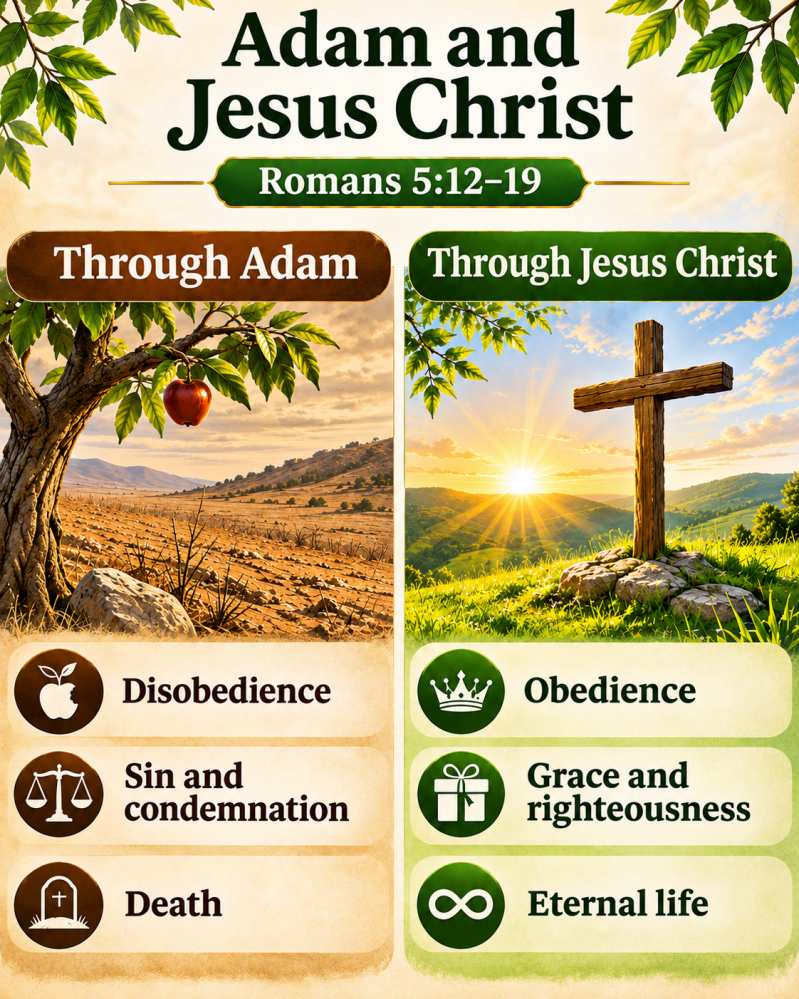
In Romans 5, Paul compares Adam with Jesus Christ. Adam was the first man, and through his disobedience, sin, condemnation, and death entered the world. Jesus Christ came to earth to free humanity from these consequences. While Adam disobeyed God, Jesus lived in perfect obedience to His Father.
In Romans 5:18–19, Paul explains that one man's disobedience brought condemnation, while Jesus' obedience made justification possible. Just as Adam's actions affected the entire human race, what Jesus accomplished also has far-reaching consequences. Paul writes:
“For as in Adam all die, even so in Christ all shall be made alive.” (1 Corinthians 15:22)
Notice the expressions “in Adam” and “in Christ.” Through natural birth, we belong to Adam's family. We inherit his fallen nature and live in a world affected by sin and death. But when someone believes in Jesus Christ and is born again, everything changes spiritually. That person becomes a new creation in Christ. Their sins are forgiven, they receive God's righteousness, and their relationship with God is restored. They can now live as a child of God.
But there is even more good news. In Romans 5:17, Paul explains that those who receive God's abundant grace and the gift of righteousness will reign in life through Jesus Christ. God originally created humanity to rule over the earth, but Adam's disobedience caused humanity to lose its original position. Through Jesus Christ, we can once again live in God's grace, righteousness, and authority. Jesus did not come only to forgive our sins. He also made it possible for us to enjoy a personal relationship with God again and experience the blessings He has given us.
How Can You Be Set Free From Adam's Inheritance?
We have seen why everyone became a sinner through Adam. But how can we be set free from this fallen condition? The answer is Jesus Christ. Paul writes:
“For the wages of sin is death, but the gift of God is eternal life in Christ Jesus our Lord.” (Romans 6:23)
Death is the consequence of sin, but God offers us something we could never earn: eternal life. Jesus paid the price for our sins by dying on the cross, and three days later, He rose from the dead. Through His death and resurrection, He opened the way for us to be reconciled to God. We receive this new life when we repent and put our faith in Jesus Christ.
Repentance means turning away from sin and turning to God. You recognize that you need Jesus and place your trust in what He has done for you. When you are born again, God gives you a new life. You no longer have to live under the power of sin. Instead, you can live in the freedom Jesus has won for you.
In Romans 7, Paul describes the seriousness of sin and asks:
“O wretched man that I am! Who will deliver me from this body of death?” (Romans 7:24)
He immediately gives the answer:
“I thank God—through Jesus Christ our Lord!” (Romans 7:25)
We cannot free ourselves from our fallen nature, but Jesus can. This is what makes the difference between natural birth and spiritual birth so important. Through natural birth, you became a descendant of Adam. But when you are born again, you receive new life in Jesus Christ. You are no longer a descendant of Adam, but through faith in Jesus, you have become a child of God.
From Adam to Christ
Everyone became a sinner through Adam. His disobedience brought sin and death into the world, and his fallen nature was passed down to his descendants. But God did not leave humanity in this condition. He sent His Son, Jesus Christ, to save us. Through His obedience, death, and resurrection, Jesus made it possible for us to become righteous again and enjoy a living relationship with God.
Through Adam we became sinners, but through Jesus Christ we can be made righteous.
You no longer have to live under the consequences of Adam's inheritance. When you believe in Jesus and are born again, you can live in the grace, righteousness, and new life you have received in Christ.